

clear glass to frosted glass
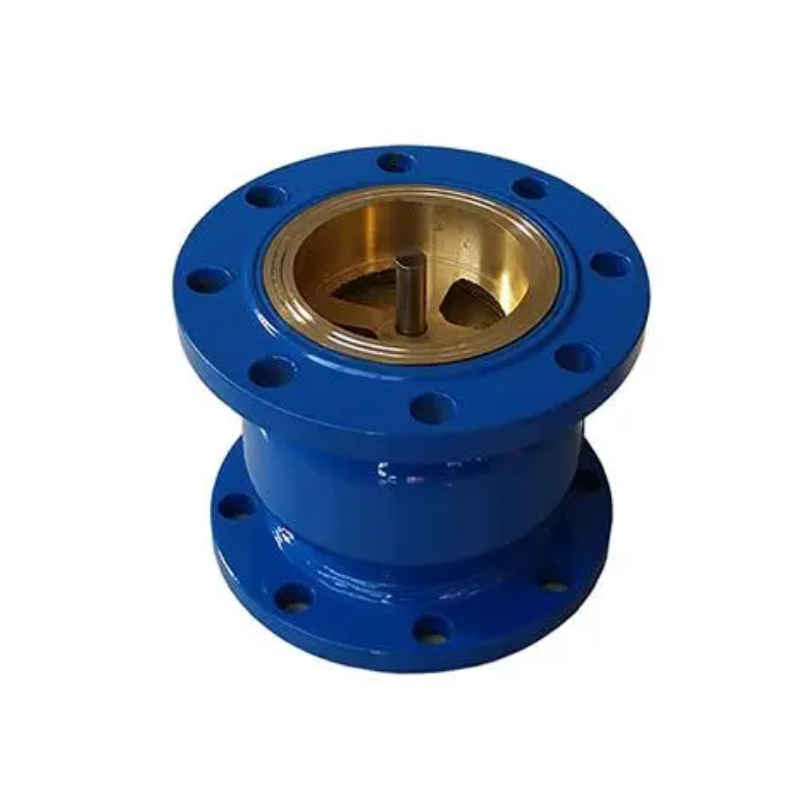
Understanding One-Way Check Valves Functionality and Applications One-way check valves are crucial components in various fluid systems, utilized across numerous industries including water treatment, oil and gas, chemical processing, and HVAC systems. These valves allow fluid to flow in one direction while preventing backflow, thereby ensuring the efficiency and safety of fluid transfer processes. What is a One-Way Check Valve? A one-way check valve is a simple yet effective device that automatically prevents the reverse flow of liquids or gases. The design typically includes a valve body, a disc or ball that acts as the closure mechanism, and a seat against which the disc or ball seals when backflow occurs. This mechanism is key in various applications where maintaining the direction of fluid flow is vital for operational stability and system integrity. How Do One-Way Check Valves Work? The primary operation principle of a one-way check valve is based on fluid pressure. When the upstream pressure (the pressure in the system pushing the fluid towards the valve) exceeds the downstream pressure (the pressure on the opposite side of the valve), the valve opens, allowing fluid to flow through. Conversely, when the downstream pressure exceeds the upstream pressure, the valve closes, preventing any fluid from flowing back into the system. This automatic response ensures that the flow direction is maintained, which is essential for preventing damage to equipment and maintaining system efficiency. Types of One-Way Check Valves There are several types of one-way check valves, each suited for specific applications 1. Ball Check Valve This design features a spherical closure element that moves up and down to allow or block flow. It is used in applications requiring tight sealing and minimal leakage. 2. Swing Check Valve Utilized in larger systems, its armature swings on a hinge to allow fluid flow . This type offers a simple and effective solution for many drainage and sewer systems. one way check valve 3. Lift Check Valve This valve design incorporates a disc that lifts off the seat as fluid passes through. It is commonly used in high-pressure applications. 4. Diaphragm Check Valve This features a flexible diaphragm that opens and closes in response to fluid pressure changes, suitable for gases and corrosive fluids. Applications of One-Way Check Valves One-way check valves are widely used in several applications - Water Supply Systems To prevent backflow, maintaining water quality by ensuring that contaminated water doesn’t enter the clean water supply. - Pumping Stations To prevent reverse flow when pumps are turned off, protecting equipment and maintaining system pressure. - Chemical Processing In processing plants, to ensure that chemicals only flow in one direction, preventing cross-contamination of substances. - HVAC Systems Utilized in heating systems to ensure that heated water flows in the correct direction, optimizing energy efficiency and system performance. Benefits of Using One-Way Check Valves The use of one-way check valves offers numerous benefits - Prevent Backflow They ensure that system integrity is maintained, protecting pumps, compressors, and other equipment from damage due to reverse flow. - Simple Design Their uncomplicated design allows for easy installation and maintenance. - Durability Made from robust materials, they can withstand high pressures and various fluids, contributing to a longer lifespan of the system. - Cost-Effective By preventing backflow and protecting equipment, check valves can reduce maintenance costs and extend the operational lifespan of system components. Conclusion In summary, one-way check valves are essential components in fluid handling systems, providing reliable performance and protection against backflow. With various designs suited for different applications, they are indispensable in maintaining the integrity and efficiency of diverse industrial processes. Understanding the functionality and application of these valves allows engineers and technicians to make informed decisions, ensuring reliable and safe operation across various fluid systems. As industries continue to evolve, the role of one-way check valves remains significant in promoting efficiency and safety in fluid management.
about
clear glass to frosted glass
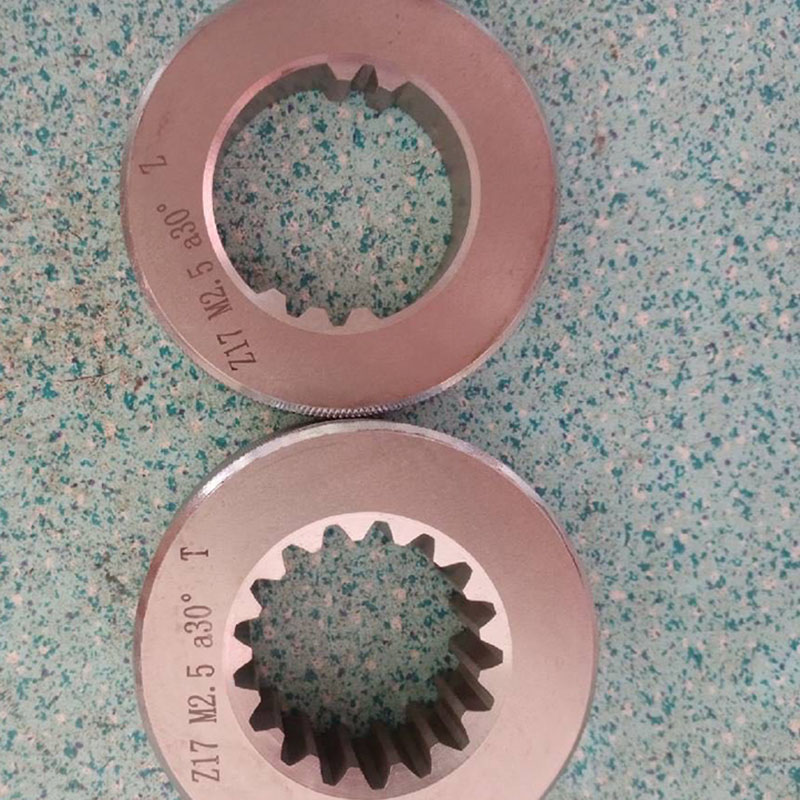
Understanding the Ring Screw Gauge A Precision Instrument The ring screw gauge, also known as a ring gauge or a screw thread gauge, is an essential tool in engineering and manufacturing, particularly in fields that require precision measurements of screw threads and diameters. This instrument is critical for ensuring that threaded components fit together smoothly and function as intended, avoiding potential mechanical failures. A ring screw gauge typically consists of a circular ring with internal threads. It is designed to measure the external diameter of a screw thread or bolt. The gauge's inner surface is meticulously crafted to match the exact specifications of the standard screw thread profiles, making it possible to determine whether a specific screw meets the desired tolerances. The primary advantage of using a ring screw gauge lies in its accuracy . For applications requiring high precision, this instrument is invaluable. Engineers and machinists rely on it to ensure that fasteners conform to the required standards, thereby enhancing the quality and durability of the final product. The gauge is often used in quality control processes within manufacturing environments where consistency is crucial. ring screw gauge When using a ring screw gauge, the operator inserts the screw into the ring and checks for a proper fit. If the screw passes through easily and aligns correctly with the gauge’s internal threading, it indicates that the screw's dimensions are accurate. Conversely, if the screw does not fit, it suggests that the dimensions are either too large or too small, signaling the need for further inspection or rejection of the part. Regular calibration of ring screw gauges is essential to maintain accuracy over time. Organizations often implement rigorous calibration schedules to ensure that measurement tools provide reliable results. The effectiveness of a ring screw gauge is determined not only by its design but also by the proficiency of the operator in using it. Proper training in measurement techniques can significantly enhance the accuracy of results. In summary, the ring screw gauge is a fundamental tool for anyone involved in precision engineering and manufacturing. Its ability to accurately measure screw threads is critical for ensuring component compatibility and overall product quality. As technology advances, the design and materials used in ring screw gauges will continue to evolve, but their core purpose of safeguarding precision in mechanical assemblies remains unchanged. For engineers and manufacturers, investing time in understanding and utilizing this gauge is crucial for achieving excellence in their work.
-

High quality industrial productsagement

High quality industrial products
View Details -

Meet the diverse needs of customers

Meet the diverse needs of customers
View Details -

Strict quality control

Strict quality control
View Details -

Top raw materials

Top raw materials
View Details -

Trusted supplier

Trusted supplier
View Details
Our application
news and information
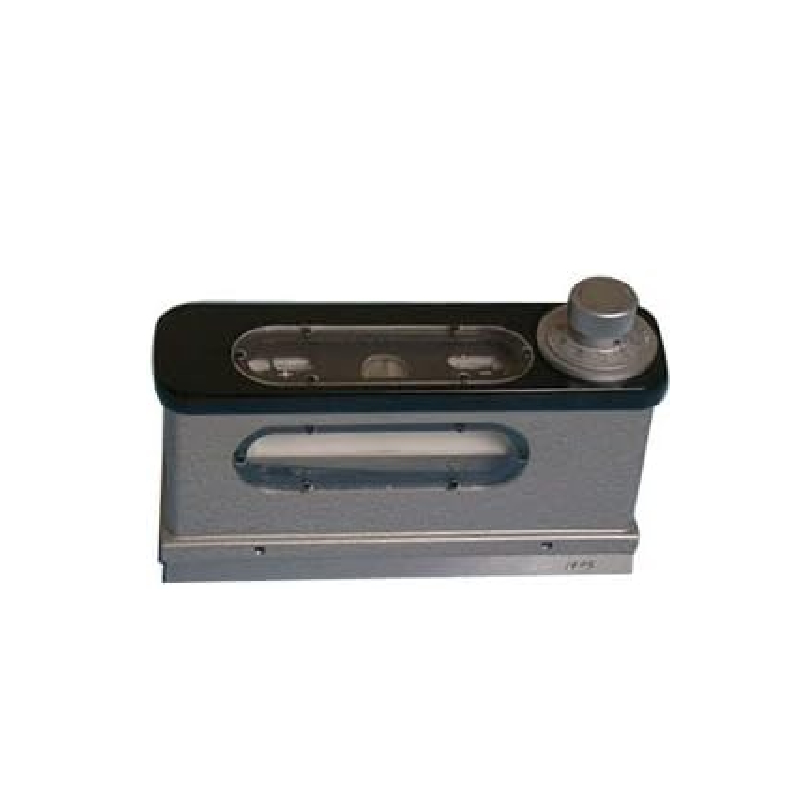
Welding Fabrication Techniques for Efficient Metalworking Projects
Understanding Welding Fabrication A Comprehensive Overview Welding fabrication is an essential part
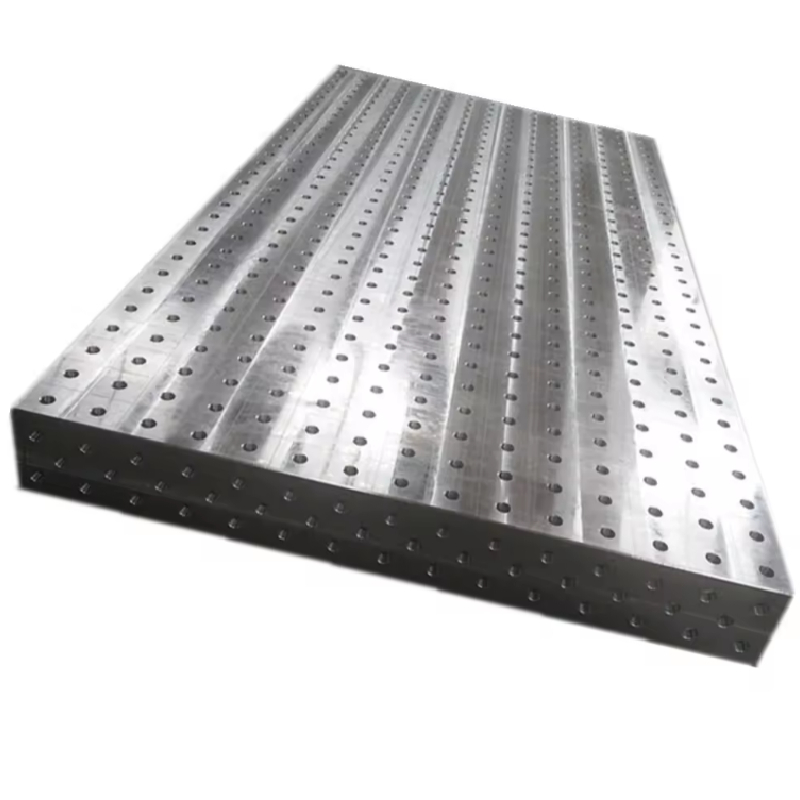
Wholesale Supply for Valves and Fittings Solutions in Industrial Applications
The Dynamics of Valve Wholesale A Comprehensive Overview In the industrial sector, valves play a cru
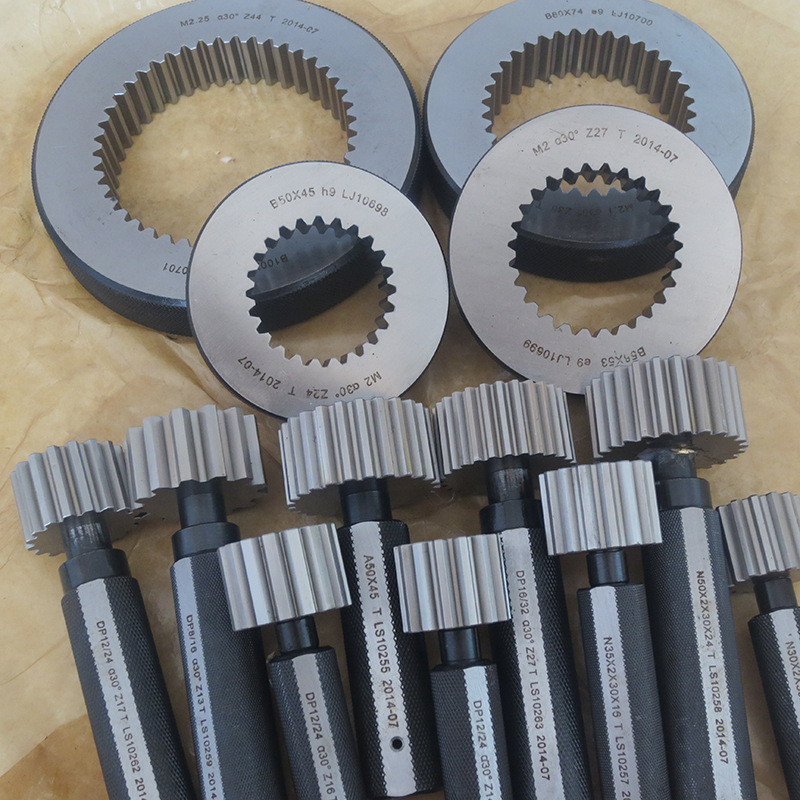
Versatile mushroom-shaped rebar cap with multiple functions
The Multi-Function Mushroom Rebar Cap Revolutionizing Construction Efficiency In the dynamic world
 English